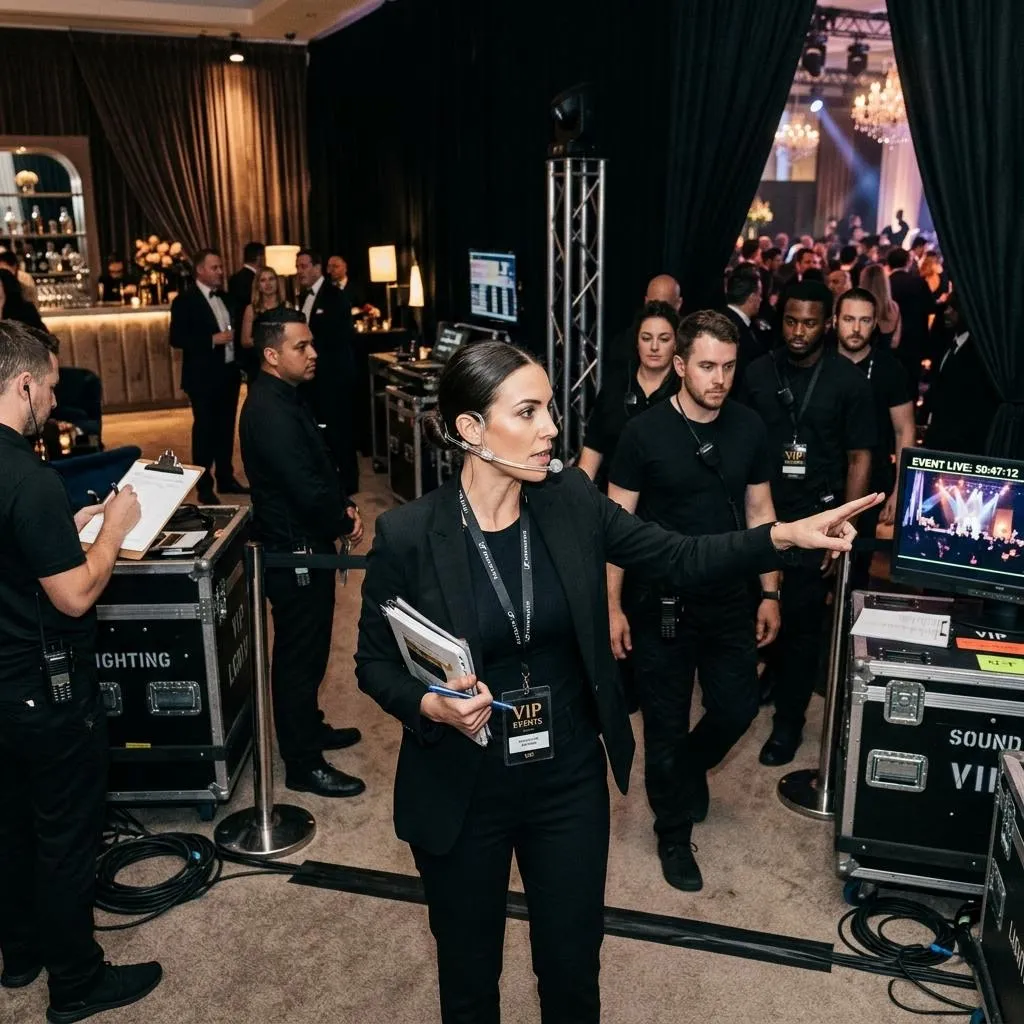
An event programme spread across several cities creates challenges that do not usually arise at a single venue. A company may host a product launch in Dubai, a conference in Abu Dhabi and smaller promotional activities in Sharjah during the same week. Although each occasion has different requirements, the organiser still needs consistent communication, professional presentation and dependable staffing arrangements. An Event Staffing Agency UAE can help coordinate personnel for such projects. Effective planning, however, requires careful attention to travel, scheduling, venue regulations and the different responsibilities assigned to each team.
Begin With a Location-Based Event Plan
The first step is identifying what must happen at each venue. Organisers should record operating hours, estimated attendance, staffing positions and any activities requiring specialist personnel.
A central schedule helps reveal where staffing demands overlap. It also allows event managers to recognise whether certain teams can realistically work at more than one location. Travel arrangements should never depend on optimistic assumptions about journey times between cities.
Standardise the Important Instructions
Different venues may have unique requirements, but some operational instructions should remain consistent. Registration procedures, dress codes, reporting arrangements and basic guest communication can follow a common structure.
A shared briefing document helps personnel understand the expectations of the wider project. Local additions can then explain each venue’s layout and specific responsibilities. This approach avoids rewriting every instruction while preserving the flexibility needed for different settings.
Respect Differences Between Venues
An exhibition centre, hotel ballroom and outdoor festival site require different working arrangements. Access times, loading restrictions, identification procedures and emergency routes may vary significantly.
Organisers should obtain current venue instructions before confirming the staffing plan. Crew members may need different credentials or arrival procedures at separate locations. Responsibilities involving security, electrical installations or specialised equipment must be assigned to appropriately authorised personnel.
Plan Transport and Arrival Carefully
Travel between UAE cities is an important operational consideration. Heavy traffic, road incidents and venue access restrictions can affect arrival schedules.
Whenever possible, staff should receive precise reporting locations and realistic travel instructions. Transport coordinators can help manage agreed pickup points and movement between venues. Allowing adequate time for security checks and briefings reduces the risk of teams arriving just as guest activities begin.
A Shared Reporting Structure Prevents Confusion
When several teams operate at once, organisers need a reliable method of receiving updates. Without clear reporting arrangements, a small issue at one venue may remain unnoticed until it affects the schedule.
A practical management structure can include:
- One central project coordinator.
- A designated supervisor at each venue.
- Agreed communication channels.
- Written incident-escalation procedures.
- Scheduled updates during critical periods.
- A clear process for requesting staffing changes.
These arrangements make it easier to distinguish urgent problems from routine operational updates.
Prepare for Different Guest Expectations
International business gatherings can bring together visitors with different languages, cultural backgrounds and expectations. Front-of-house personnel should communicate respectfully and understand the information available to them.
Multilingual staff may be useful where the audience requires additional language support. However, organisers should confirm actual language skills instead of assuming every employee can assist in several languages. Briefings should also explain accessibility arrangements and the appropriate way to handle sensitive guest requests.
Managing Changes Across Several Sites
Unexpected changes are more difficult to manage when the event manager cannot physically visit every location. A delayed delivery or revised programme may require quick decisions from a local supervisor.
Clearly defined authority helps teams respond without repeatedly waiting for central approval. At the same time, major operational changes should be documented and communicated to affected departments. This balance supports flexibility while preventing inconsistent instructions across different venues.
Measure Performance Using Useful Information
Attendance figures provide only part of the picture. Staffing performance can also be reviewed through punctuality, queue management, completed tasks and feedback from venue representatives.
Each supervisor should record relevant observations while the event is still fresh. Comparing reports from different locations can reveal recurring issues, such as unclear arrival instructions or insufficient break coverage. These findings may improve future multi-city programmes.
Why Direct Coordination Matters
Large projects sometimes involve several contractors supplying different types of personnel. If responsibilities are poorly defined, organisers may struggle to determine who should respond to a particular issue.
Clear supplier agreements and direct communication can reduce this problem. Confirm which organisation manages recruitment, briefing, supervision and replacement arrangements. Knowing these responsibilities before the event is more useful than trying to resolve them during a busy operating period.
Conclusion
Multi-location events require an organised approach to personnel, transport, scheduling and communication. Consistent procedures help maintain service standards, while local supervision allows teams to adapt to individual venues. The Crew Lab offers event staffing services across the UAE, including personnel for conferences, exhibitions and other organised gatherings. By establishing clear reporting structures and realistic operating plans, event organisers can reduce uncertainty and coordinate activities across several locations without treating every venue as though it has identical requirements.